Testing a new method – Imprint

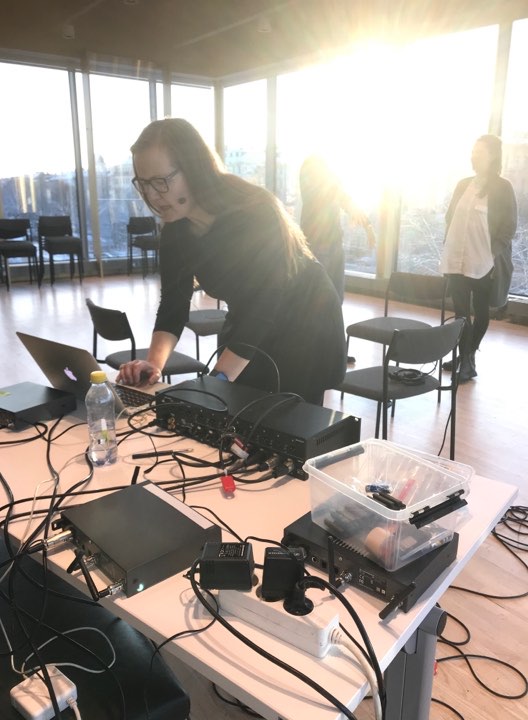
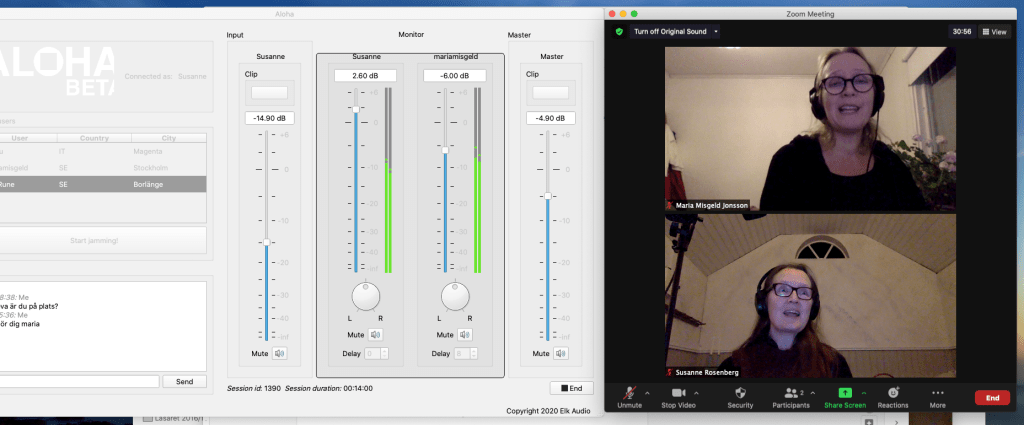
This week we been testing Folk Song Lab new method Imprint also in the inner circle of Folk Song Lab. This method actually fits quite well in the Corona days since it can be done through virtual meetings with the help of the excellent “Aloha” (www.elkaudio ) making it possible to sing together without latency! This is how we did it:

  1. Connect through Aloha in pairs.
  2. One of us teach a short song to another by just singing it together for 5 minuts.
  3. Then we say bye bye to each other and the one who have teached the song record it.
  4. At the same time singer who just learnt the song finds someone else to teach the song they just learnt to.
  5. Singer and new singer sings the song for five minuts. And then we continue from 3-5 for as long as we like.

In Folk Song Lab we did this in a chain were everyone of us started a chain, resulting in four songs in four different versions. So what happened then when the song moved through different singers? What was still there of the original singer’s imprint?
What was stable and what was varied through the process?

The stability lied very much in the holistic phrasing – the way you balance the phrases. Also, the “rhytmisation” patterns, some of the dialect words or important words was still to be found. The interpretation of first phrase of the song, in all respect, often appeared the same, and the tonal center did often stay nearly the same.

The variation appeared regarding tempo, micro-rhythmic, ornamentation, intonation, “small words” and after the first phrase also in the melody.

It was also quite clear that when we sang songs that was less familiar (like some songs from the Irish tradition) less was stable and more become varied. This implies that when you learn a song that you are less familiar with you don’t have the “safety-net” of things you already know (such as the tonality, phrasing, melody-structure, lyrics etc.). While on the other hand when you learn a song in a tradition you are familiar with you can use the skills of knowing these things and don’t need to spend so much time on this.

If you want to know more on this topic, read – The Singer’s imprint (by Susanne Rosenberg) –
https://www.researchgate.net/publication/339529279_The_singer’s_imprint_Stability_and_variation_in_contemporary_folk_singers’_interpretations_of_folk_chorales
Folk Song Lab IVL

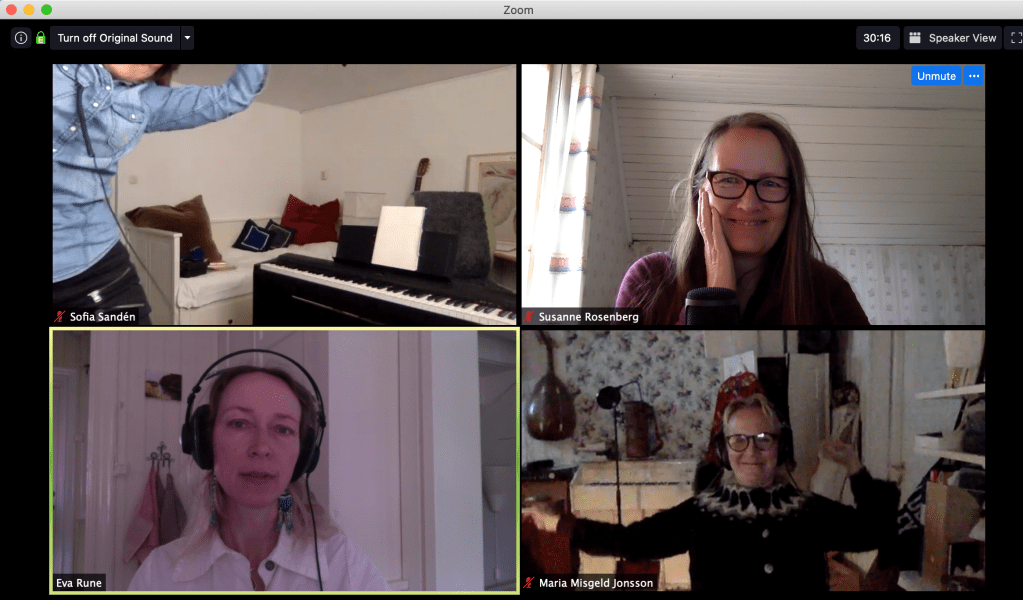
In todays session, we started a new era in the project, by setting a goal to record videos in Folk Song Lab IVL – in virtual reality. Question arises – How to deal with latency? Is latency even to be considered a friend?

Until next week a ‘shadow-singing’ video will be created! Here is how it looked today.

Breathing high and low

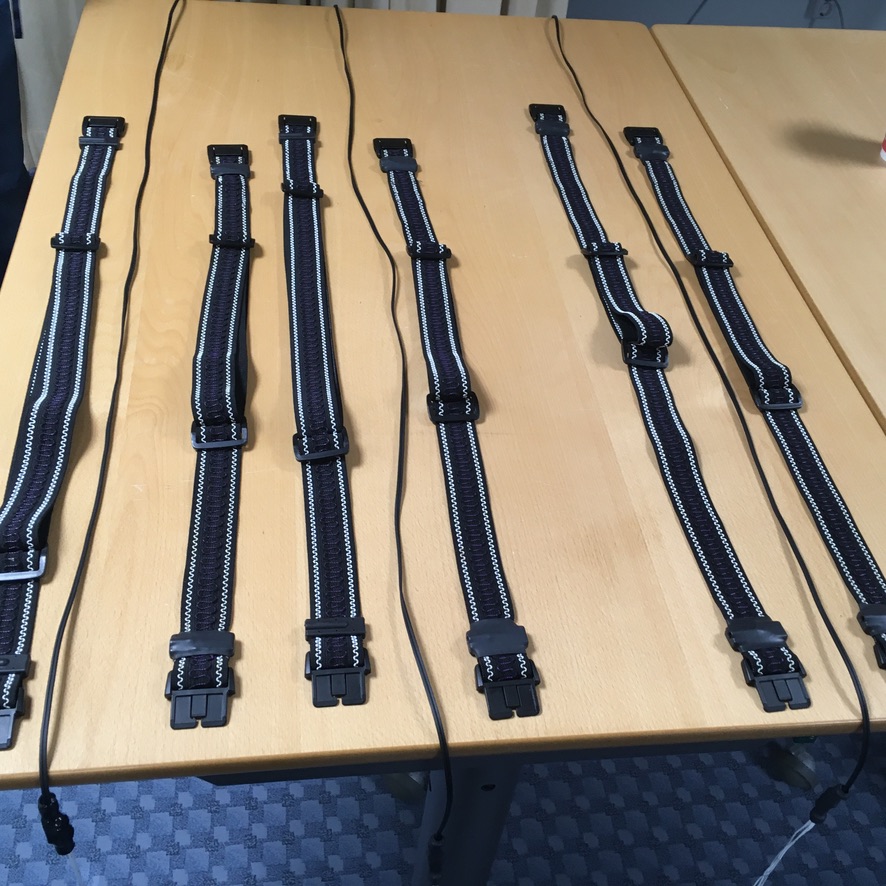
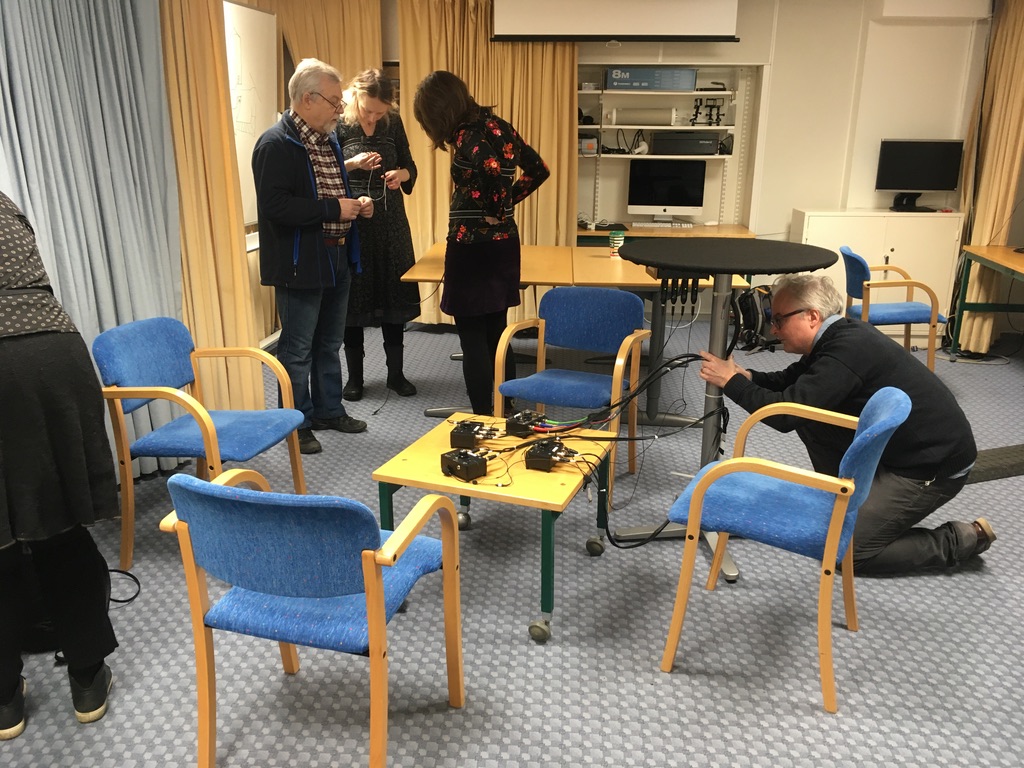
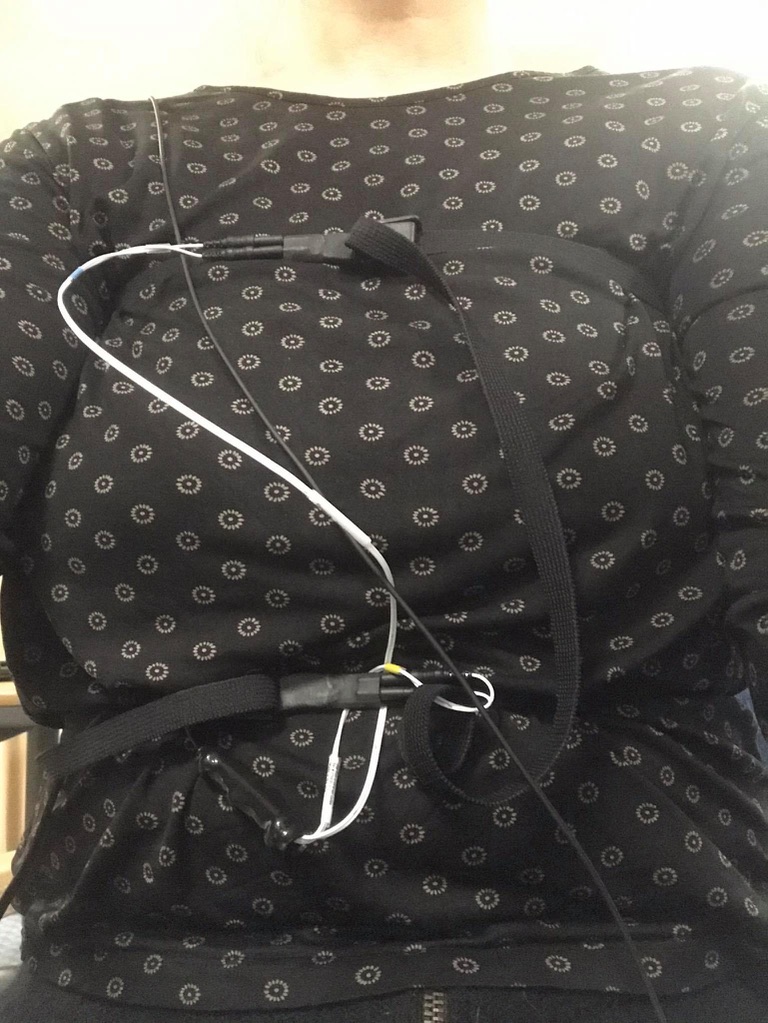
How do we use our breath to apply to the phrasing in mirror-singing? And what happens to the breathing pattern when turning over to meandering? Are there any differences? And how do different breathing habits affect the turn-taking in Q&A? This is questions that we are curious to know a little bit more about. So today Folk Song Lab visited the phoniatric department at Stockholm University (SU) for some session with Respitrace measures. With the help of the researcher, Johan Stark and Mattias Heldner with got some data that we now will try to analyze.

Heartbeat and breathe in Folk Song Lab

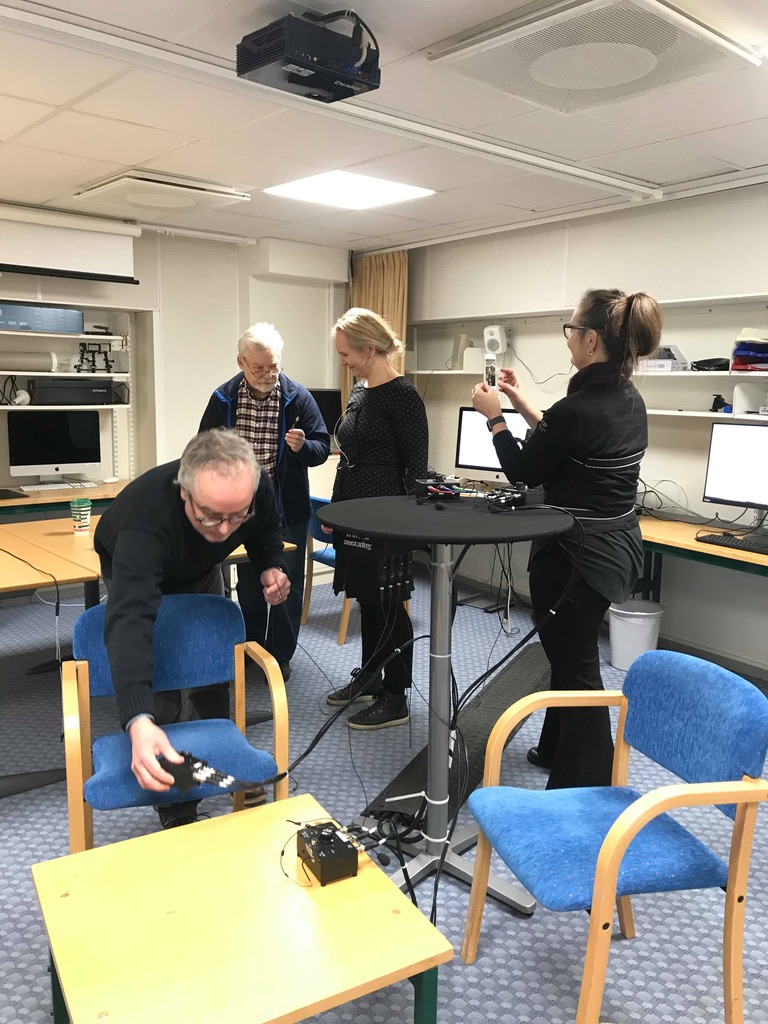
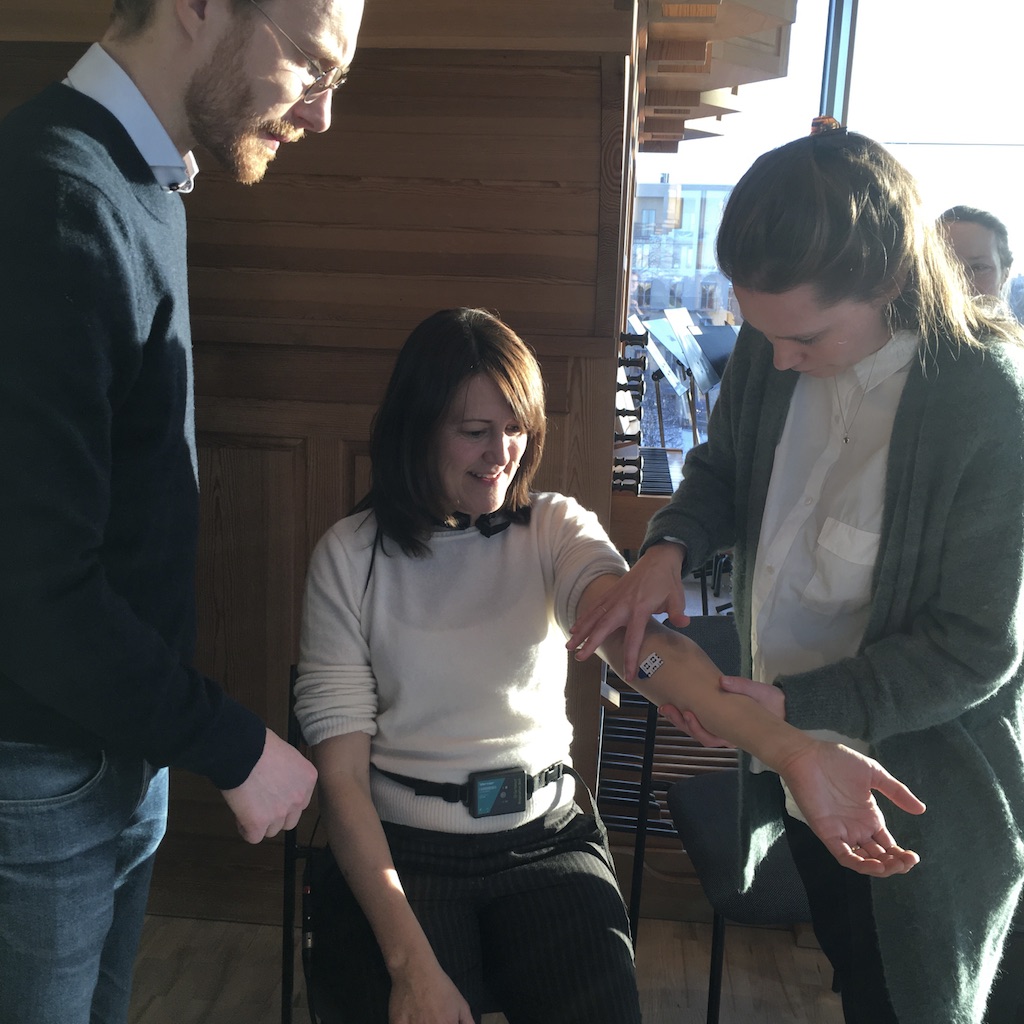
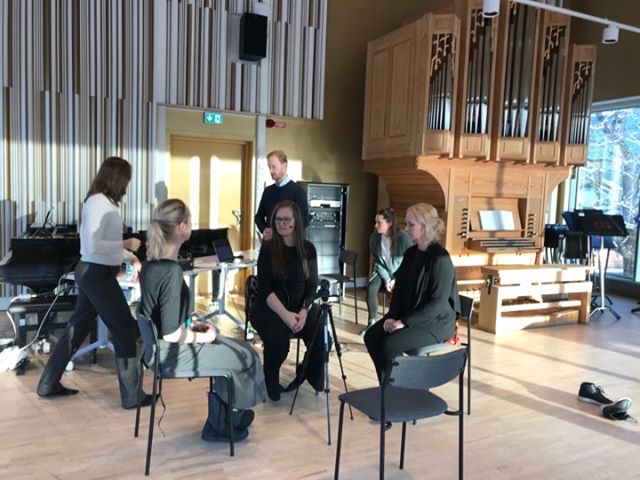
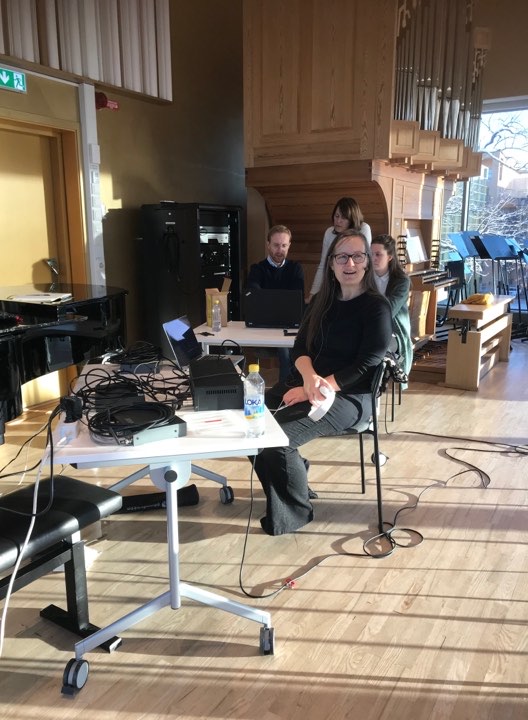
Today we have done a kind of first experimenting with using measuring tools for finding how the pulse and the breathing pattern changes during a session. This could be the way into finding how to measure group flow. Could it be that the breathing gets deeper during a session? It would be amazing to figure out how the parameters comply. Örjan de Manzano and his assistant brought some gadgets and a easy to use software to try this out. We did some test recordings and this is how it looks, showing different parameters acting together.

Studio Recording of FoSoLa

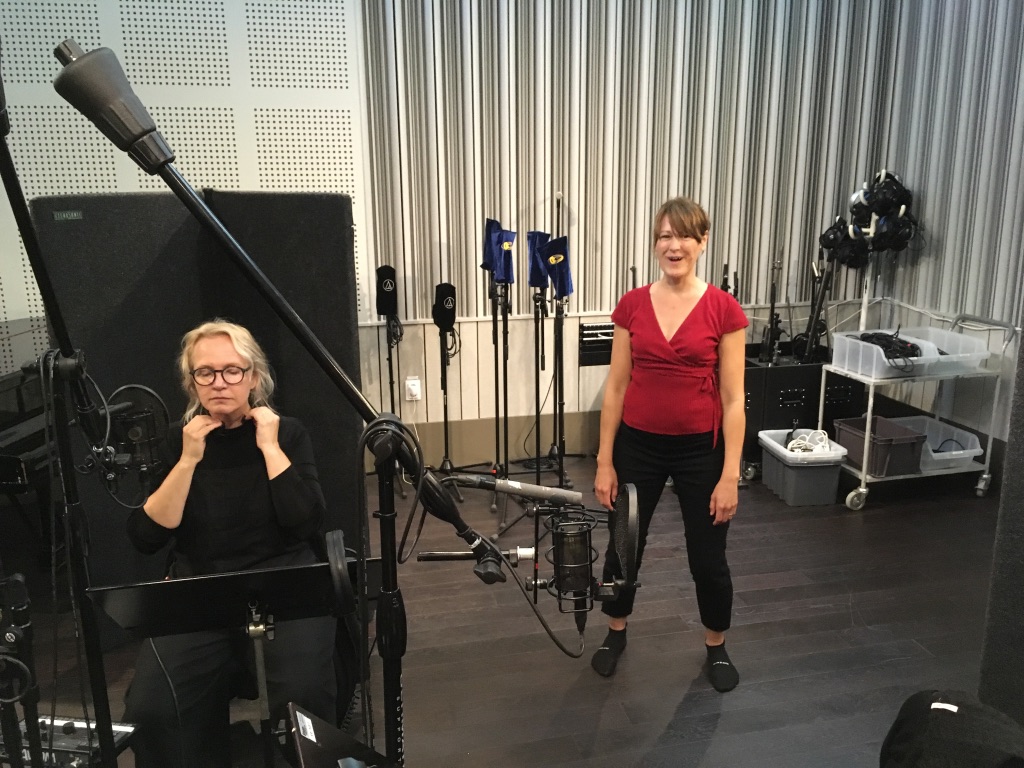
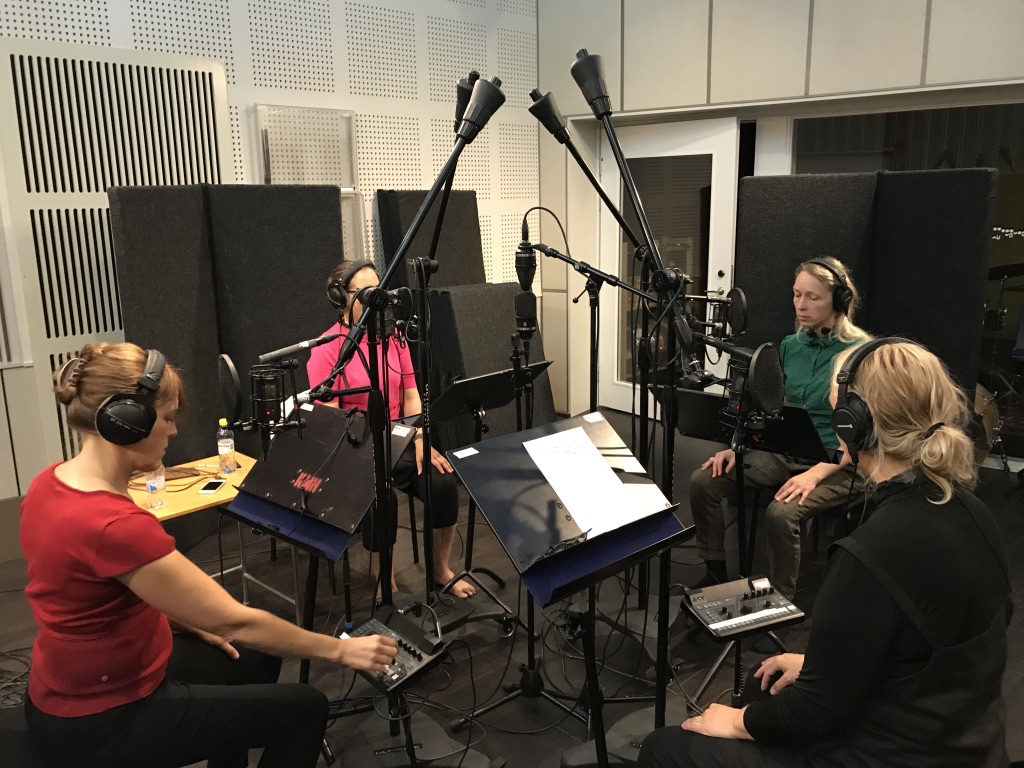
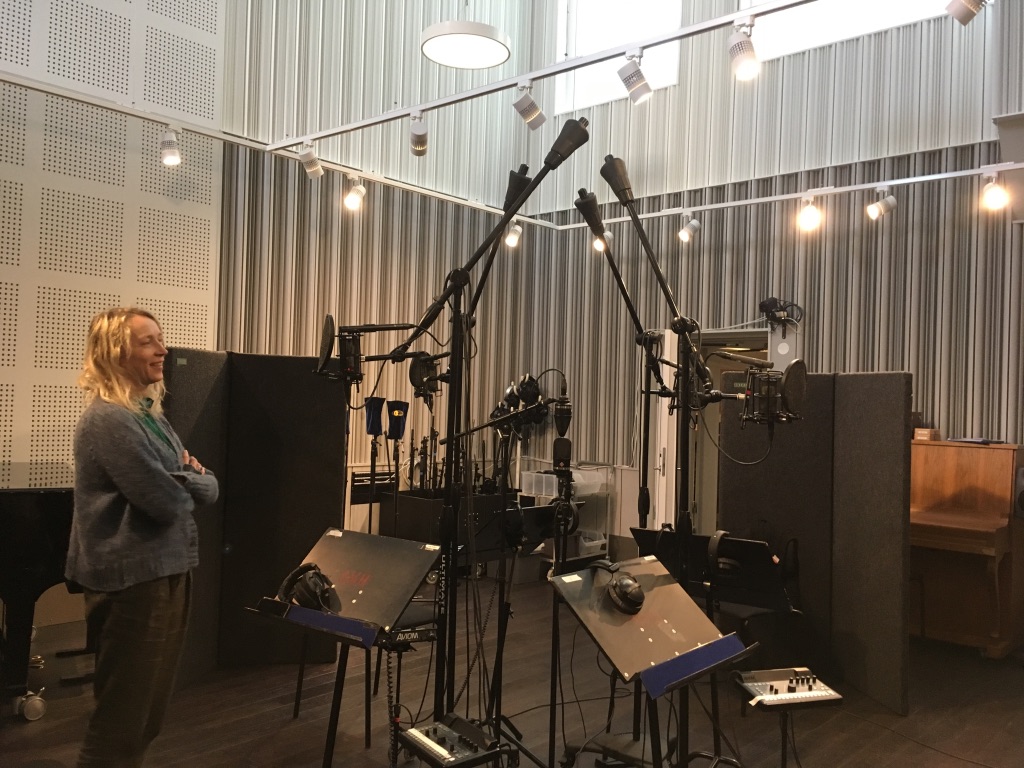
Time for three days of recordings in the primary studio at KMH with the inner circle FoSoLa. Mirror-singing. Q&A. Meandering. Story-board. Kyrie. Herding call. Soundscape etc. were some of the improvising methods that we used. All recordings were made as a regular session, meaning at least 20 minuts in a stretch. Also did some recordings being in separate rooms where we neither did see nor hear each other besides in the headphones. We also experimented with seated and standing and moving around in the room.

The studio is a great working place and we had excellent support from sound engineer Markus Sjöberg. Recordings were made with three different microphones for each singer, one of them being the larynx one, besides also added ambient microphones.

The recordings will hopefully end up into a public release later on.

Concert @ Gnesta Water Tower

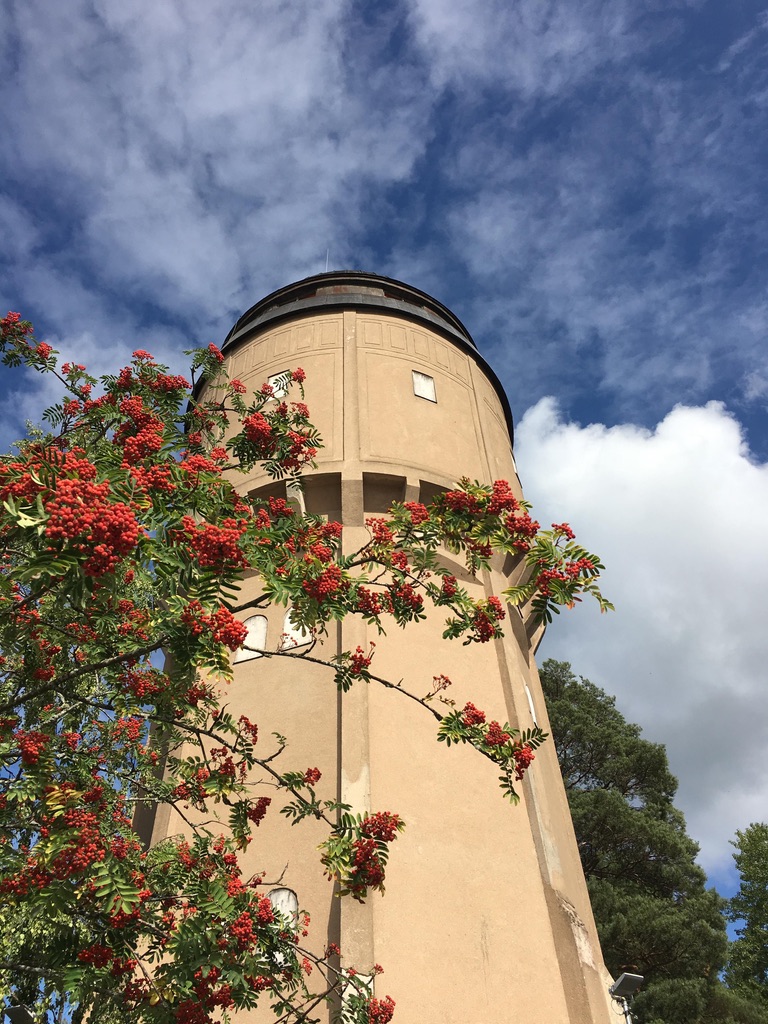
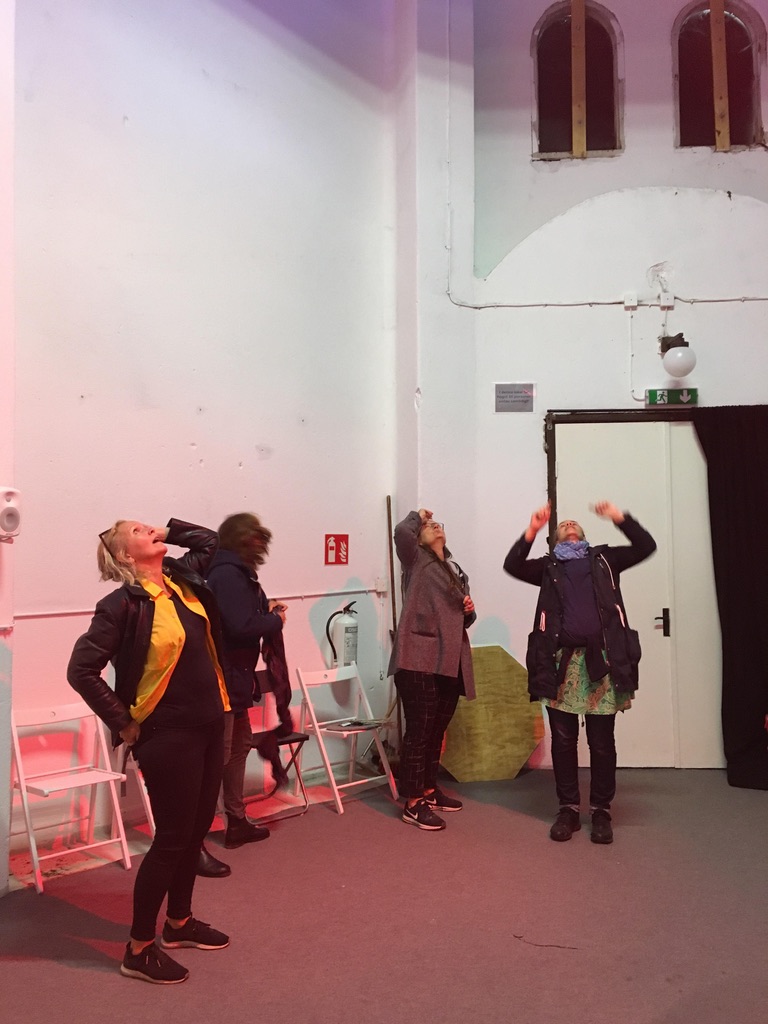
The inner circle of Folk Song Lab had a public session / concert at the experimental Sound Art Festival – ANTENN – that was arranged at the magic Water Tower in Gnesta.

ANTENN 2019
Sound art festival
Gnesta Water tower
7-8 September 2019
Curated and coordinated by Ljudtornet
If you want to listen to FoSoLa go to 08:16