Intense inspiration days in Gnesta

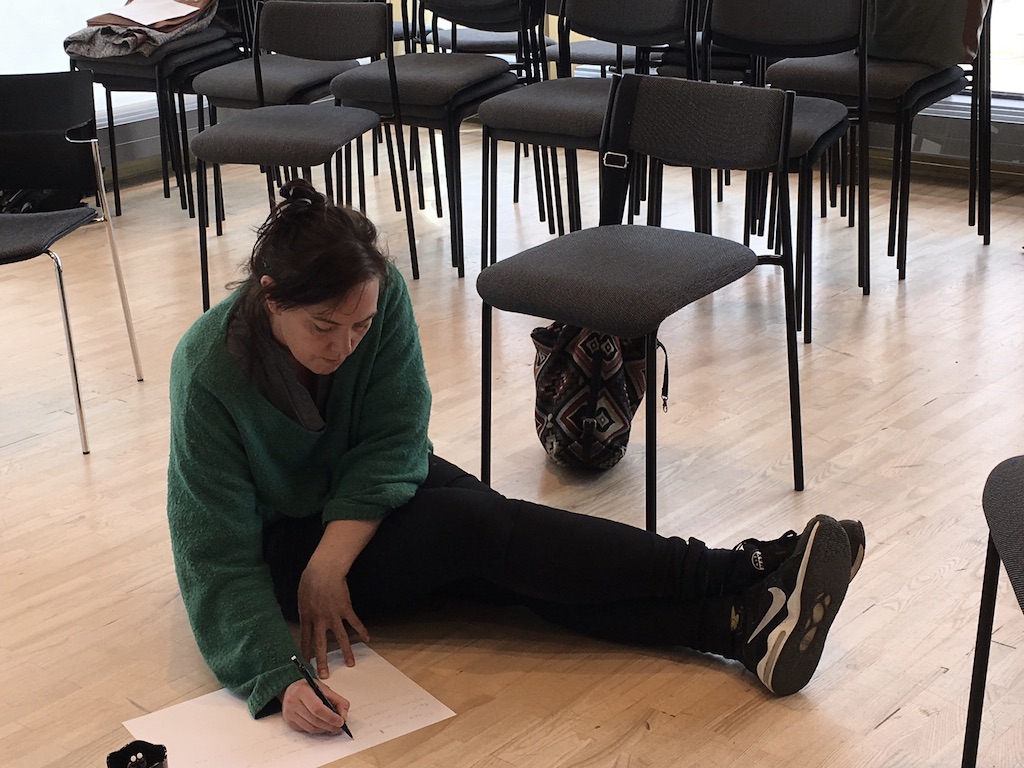
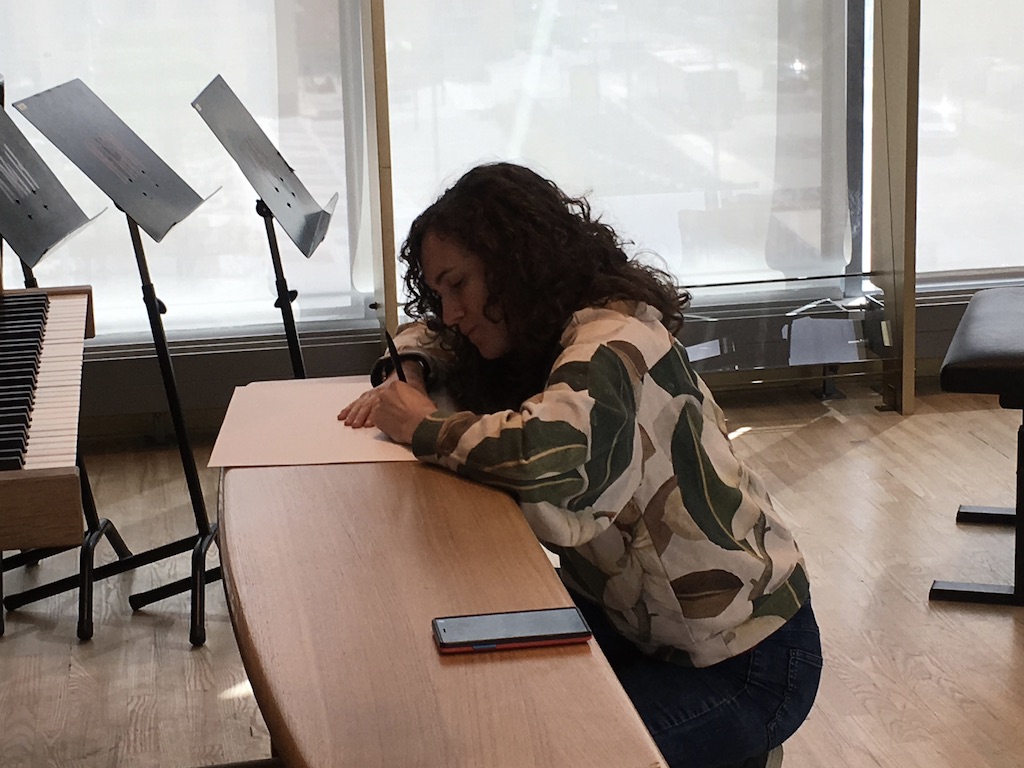
When working in a project like Folk Song Lab you sometimes need to be super-focused and working together without being disturbed by other ‘stuff’. The FoSoLa inner circle went to Gnesta in Sörmland to spend two days of total concentration. Working with new ideas of improvisation, such as using the formulas of ‘Sutartinas’ (Lithuanian singing-style) to improvise new songs.

PEVOC – Getting new ideas

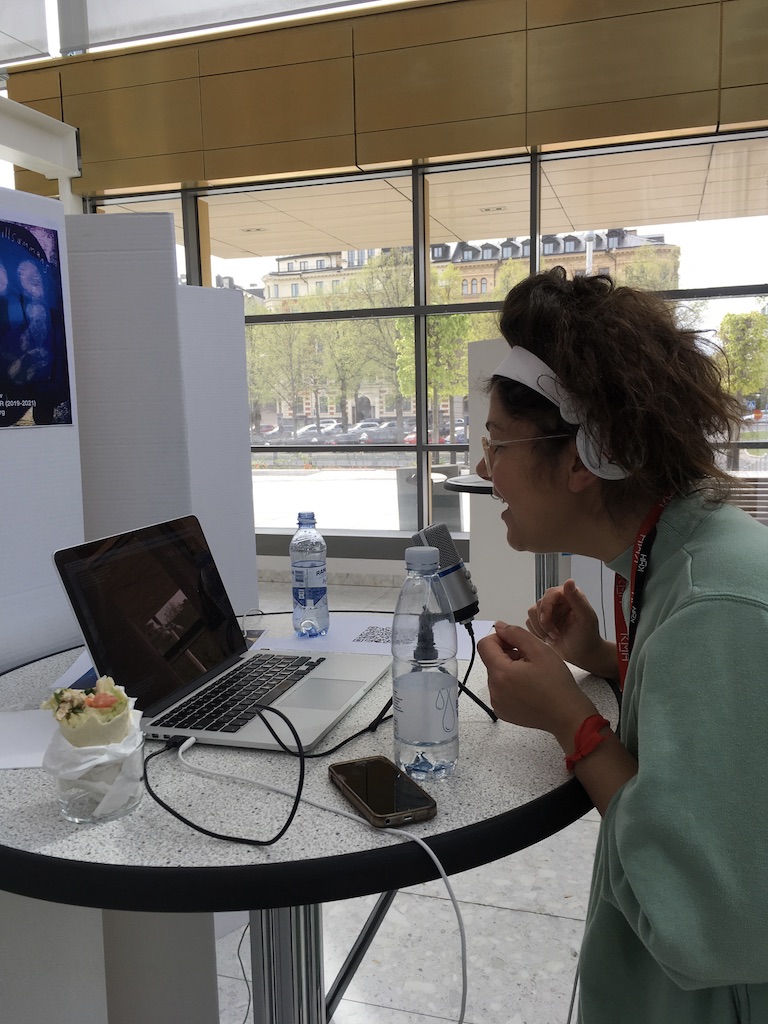
The Folk Song Lab project takes its influence from different directions. For some days in the end of August, two of the FoSoLa inner circle participated in the ‘Pan-European Voice Conference’ (PEVOC) in Copenhagen. Getting new ideas from presentations such as: Filippa M.B. Lä talking about ‘Augmented feedback of airflow in semi-occluded vocal tract exercises’ etc.  An interdisciplinary project, needs an interdisciplinary input.

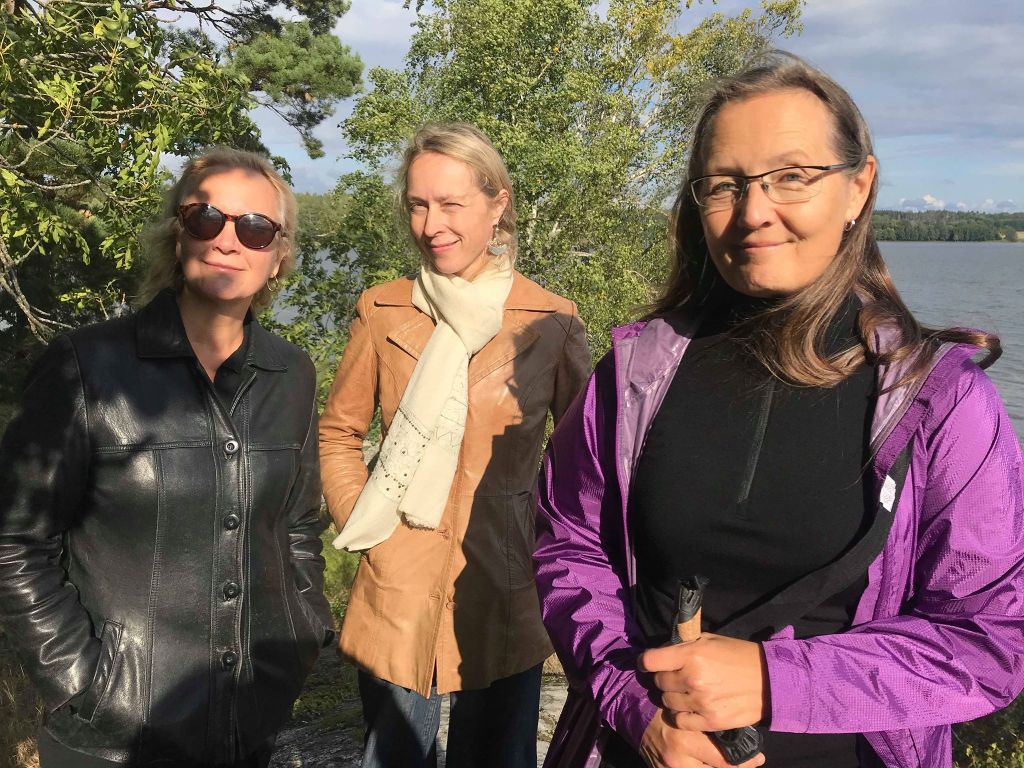
On the picture Sofia Sandén, Susanne Rosenberg and Ingrid Brännström.

Rhyme and Rhyming

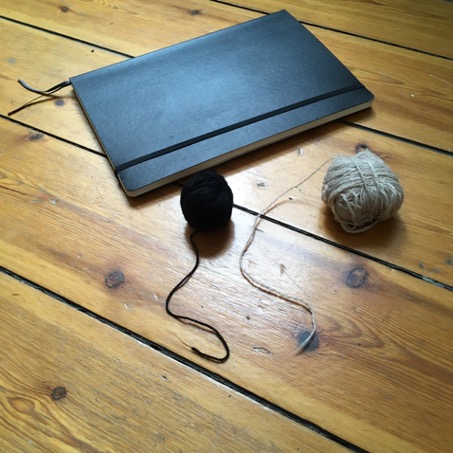
‘Cognitive strategies in rhyming in new ballads – an improvisatory approach’ was the title of a presentation of Folk Song Lab hold at the conference ‘Rhyme and Rhyming in Verbal Art and Song’. The main focus in the presentation was to illuminate the different methods used for improvising end-rhyme in ballads and how they worked: Improvising from a story-board, from a stilleben or just figuring out a story while singing are some of the methods used. Also formulas such as improvising narrative using third person perspective, dialogue, or the chrochet/braid/chain-method were described. Its amazing how the brain works when trying to rhyme!

The conference was hold at the Finnish Literature Society in Helsinki. Many interesting papers and keynotes were presented at the conference that takes place between 22nd-24th May (2019). Nigel Fabb’s (Professor of Literary Linguistics, University of Strathclyde, Glasgow) keynote: ‘Why is rhyme different from alliteration? A psychological and aesthetic account’ was really relevant for the Folk Song Lab project. Also some presentations about rap like Venla Sykäri’s (Finnish Literature Society/University of Helsinki) ‘Strategies of rhyming in contemporary extemporized oral composition’ about the modern rap-scene in Finland had connections with the Folk Song Lab project.
Mirror-singing experiment at KMH X-day

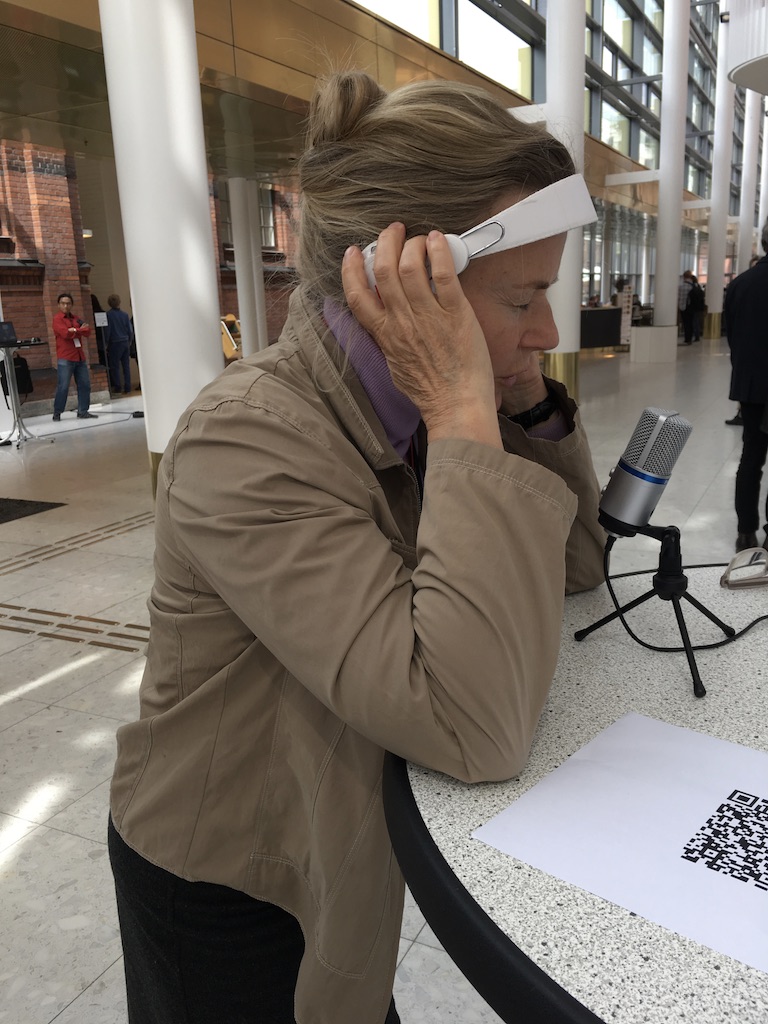
This day Folk Song Lab did both a short presentation and invited to an experiment. Letting the the visitors and participants try out “mirror-singing” by mimicking phrases in the moment. The deeply concentrated participants said it was both hard and fun. Looking forward to analyze the recorded data collected!

KMH X-day is a meeting point were possible collaboration between KMH (Kungl. Musikhögskolan) and KTH (Kungl. Tekniska Högskolan) could be explored. At the KMH X-day presentations of ongoing and future projects can be experienced.

A stilleben as inspiration

Improvising from different input is always exciting. Today we used a stilleben as an input for forming a story. As usual it is hard to rhyme. But we get better at it as we go.

inspiration for a song
Rhyme words in the story derived from the stilleben above

Anna Marie Hefele visits Folk Song Lab

Today we had the opportunity to learn a bit on overtone singing from the wonderful Anna-Maria Hefele who visited for a workshop as part of the World Voice Day.

Workshop with Anna-Maria Hefele (on the floor in the middle) during the World Voice Day at a Folk Song Lab session at KMH.

Anna-Maria Hefele demonstrate different overtone singing techniques at the workshop today.

check out her different website for more info.

http://www.anna-maria-hefele.com/tutorials.hml

Tuning in the landscape

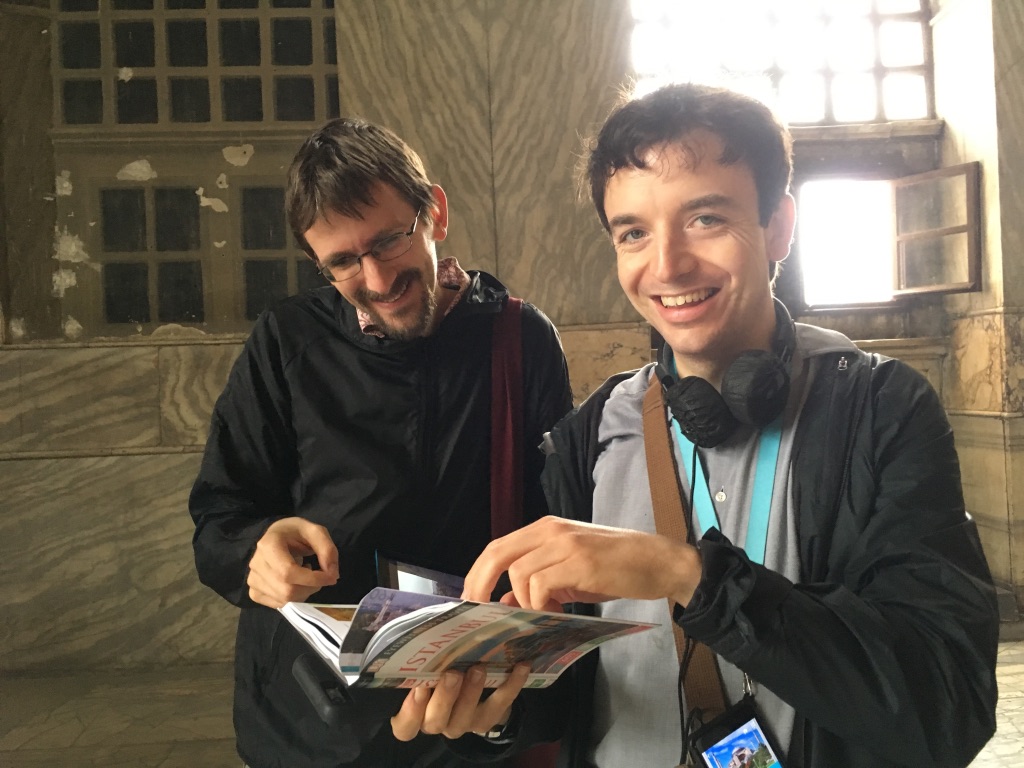
One of the more interesting presentations / workshop at the conference ‘The Multivalent Voice’ in Istanbul was ‘Inner Asia Throat-Singing (Xöömei) Workshop: Perspectives from Tyva and Mongolia’ with Robert O. Beahrs (Center for Advanced Studies in Music, MIAM) and the Mongolian throat-singer Davaadalai Munkhbat.

Thanks to simultaneous interpretation from Mongolian – Turkish – English and back it was possible to ask questions to Davaadalai. When asked how he remember the songs/stories the answer was: ‘He remembers the stories naturally in a holistic way. They represent a way of tuning in the landscape by the different singing styles and voice-types he uses’.

Below in the short video-clip were Davaadalai tunes in the horse in the landscape.

Dörvön Na

Four-Year-old chestnut-colored horse.
Stretching my leg to the stirrup,
he takes a gentle trot
I see something in the distance
A shortcut I will take to my lover!


The Multivalent Voice

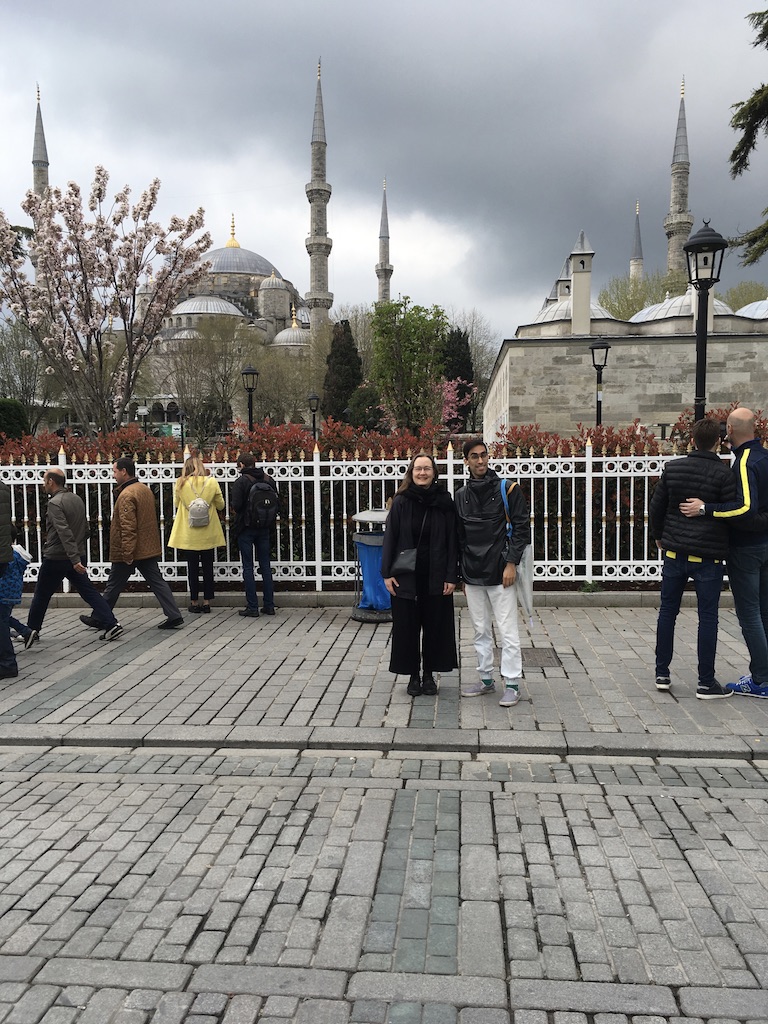
During the conference ‘The Multivalent Voice’ in Istanbul, Turkey the Folk Song Lab project were presented. Many interested participants did attend and posed questions and comments on the project. The conference had a broad approach to the Voice including also social keynotes on the importance of having a voice also in society. However the main-part included presentations and concert of the voice used in different cultures and genres.

To read the abstract of Susanne Rosenbergs presentation at the conference Improvising Folk Songs: improvisation and collective composition follow the link

waulking songs in folk song lab

Using different input and inspiration is vital to the sessions of folk song lab. Today we experimented with using ‘waulking songs’ as inspiration for singing. ‘Waulking songs’ is narrative singing while waulking the fabric e.g. tweed on the Hebrides. We use input from traditional singing as in this wonderful video.